Artificial intelligence in cyber defense
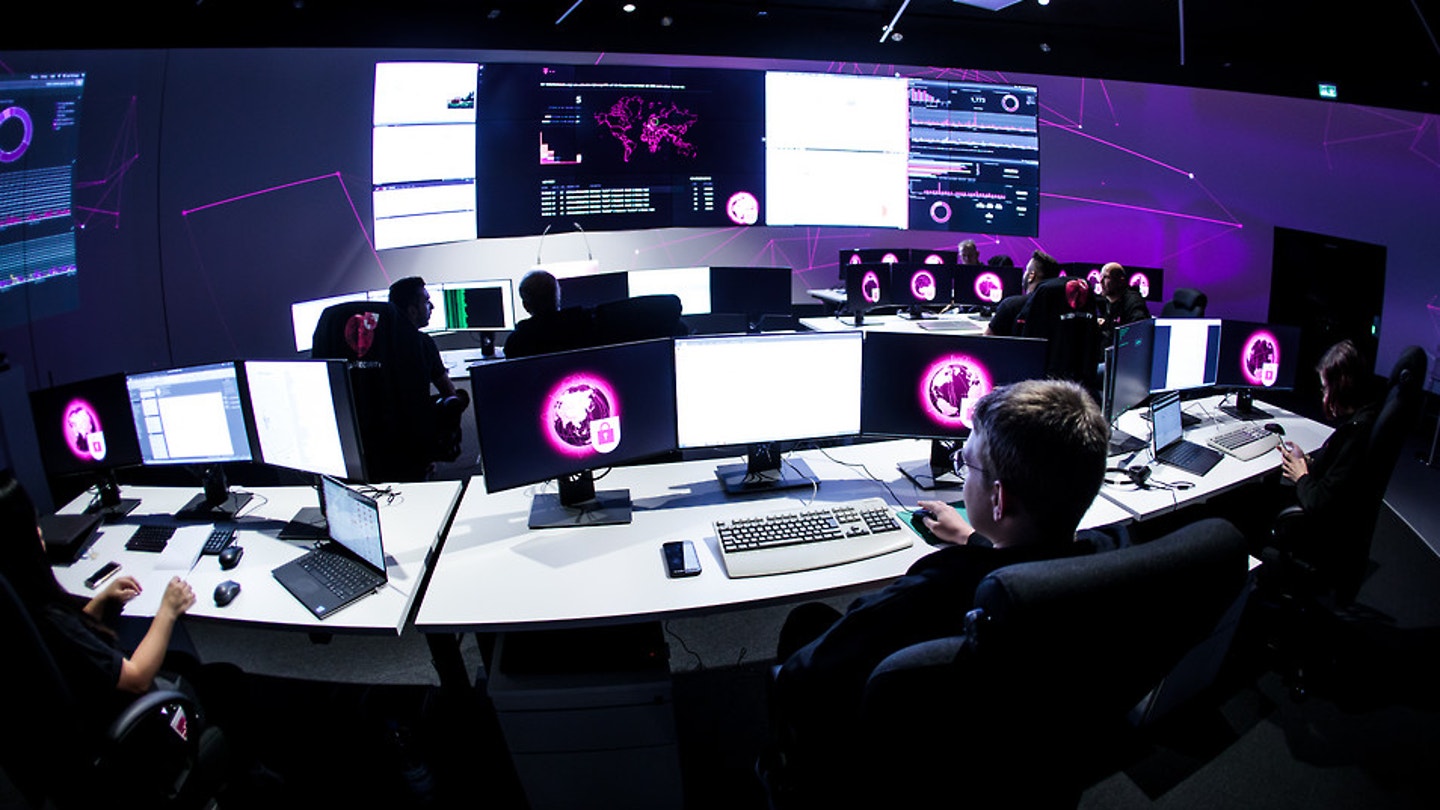
Cybercriminals are becoming increasingly sophisticated. They use automated attack methods. Telekom counters them with artificial intelligence. It analyzes attacks using sensors in the Telekom network. In total, Telekom's cyber defense examines around one billion security-relevant data points every day for signs of cyberattacks. No person can do that manually. That is why the Group relies on the fully automated support of artificial intelligence. Computers recognize patterns and anomalies that point to attacks much faster, providing valuable help in defending against them.
Hallo Magenta” – Telekom’s Smart Speaker

With the Smart Speaker, Telekom offers its customers an intelligent assistant for the home. It controls a range of services when you say “Hallo Magenta.” A voice command is all it takes to dim the lights or adjust the room temperature. The voice assistant understands who you want to call. It tells you who is calling. And it declines calls when you ask it to. It also keeps you informed about the weather. Another example: With MagentaTV, you can use the Smart Speaker to change channels, search for content, or adjust the volume. Artificial intelligence supports voice recognition and helps interpret what is said in the right context. More info
„Frag Magenta“
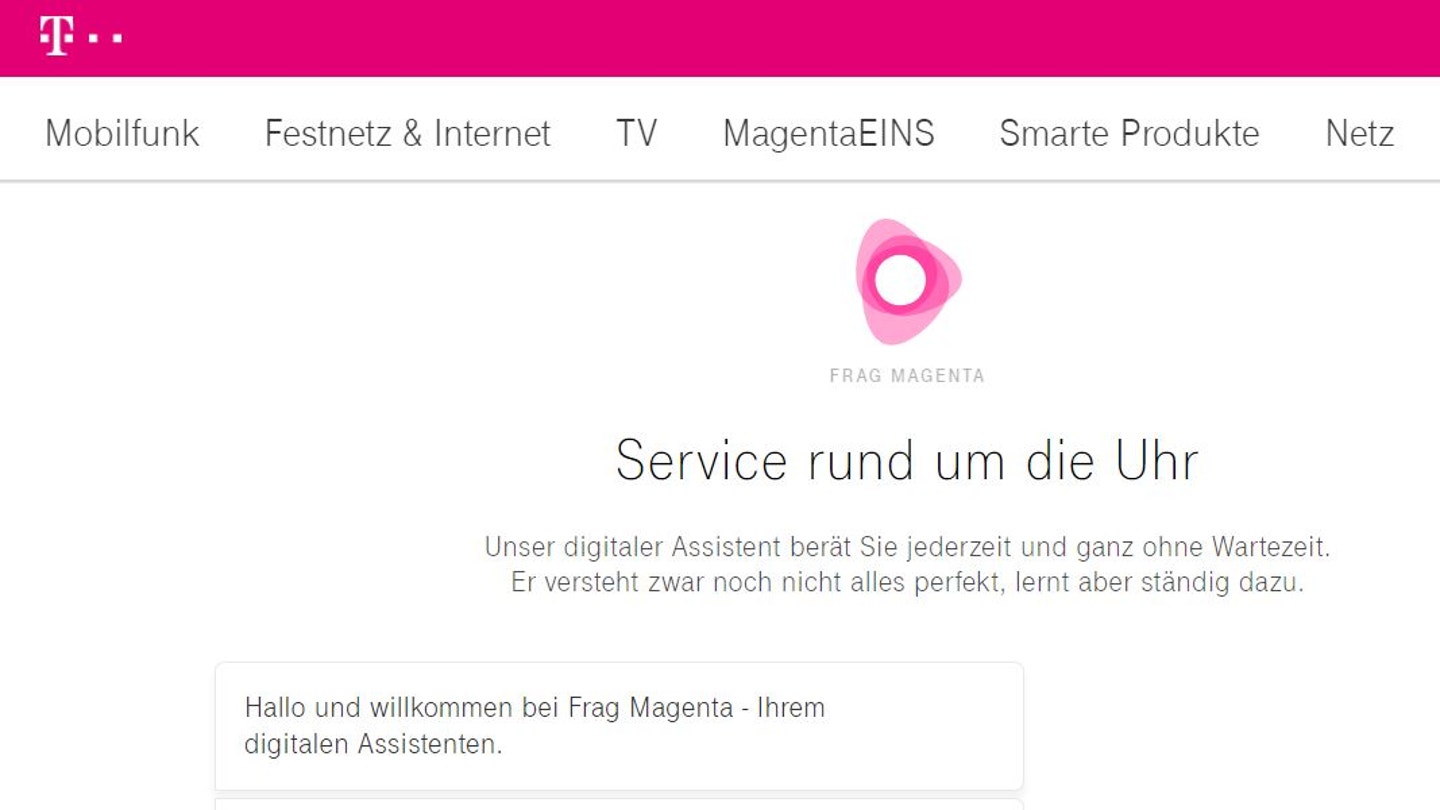
The digital assistant at www.telekom.de answers questions quickly, around the clock. If a quick answer is not available, it connects customers with the right advisors. When the chatbot was new, its capabilities were still limited. It answered simple questions about phone, internet, or TV service disruptions. Because it was well received, Telekom expanded it: It now has significantly more AI capabilities, conducts better conversations, and offers more comprehensive help with disruptions and questions about bills, contracts, and orders, as well as moving, WLAN, email, and SIM cards. It can now even access customers' individual data stored with Telekom. For example, it can handle requests to view and download mobile bills or itemized call records from the past 18 months, find out the earliest possible date to renew a mobile contract, or change the bank account linked to a mobile contract. More information
Maintain machines proactively - „Predictive Maintenance“
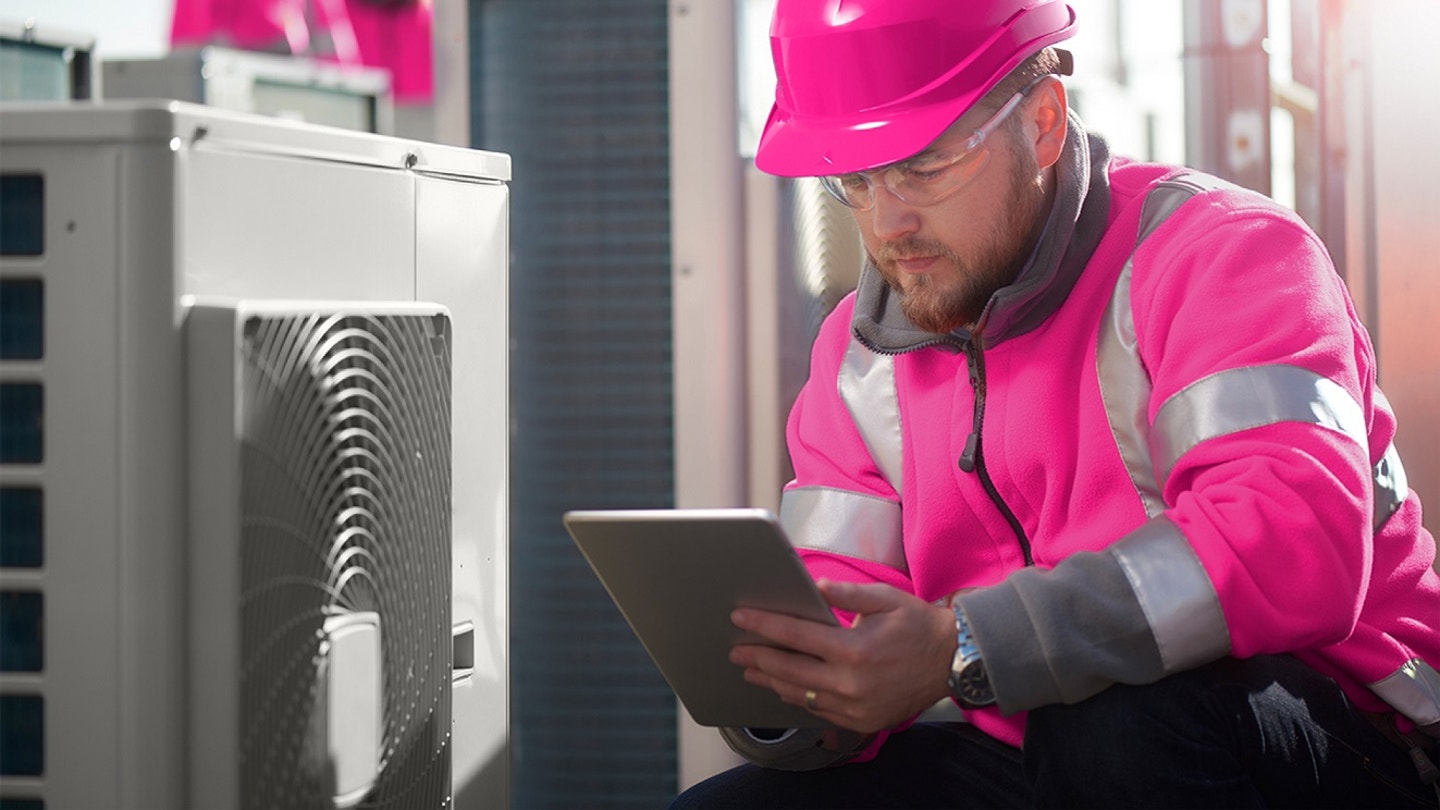
Know in advance when a machine is going to be damaged? Telekom makes that possible. In industry, every machine failure or production stoppage is costly for companies. Predictive Maintenance is an early warning system. Numerous sensors inside the machines generate huge amounts of data, such as measurements of volume and speed. Artificial intelligence sets a Limit value that the machine should not exceed. As soon as it reaches this value, the system sounds an alarm. This allows companies to address necessary repairs proactively, quickly, and well prepared. More info
Real-time forecasts for train arrival and departure times

A learning algorithm from T-Systems provides real-time forecasts of arrival and departure times for more than two million stops each day. It also determines how this affects potential connecting services. Deutsche Bahn customers can use it to get information in advance—on their smartphones and in the app, as well as at stations. To forecast each individual train, T-Systems data centers analyze position reports from all trains in operation within seconds. The algorithm uses machine-learning methods, among other approaches. Every 24 hours, the models are trained overnight using historical data. This continuously improves the forecasts and adapts them to current traffic conditions. More info
Fiber rollout
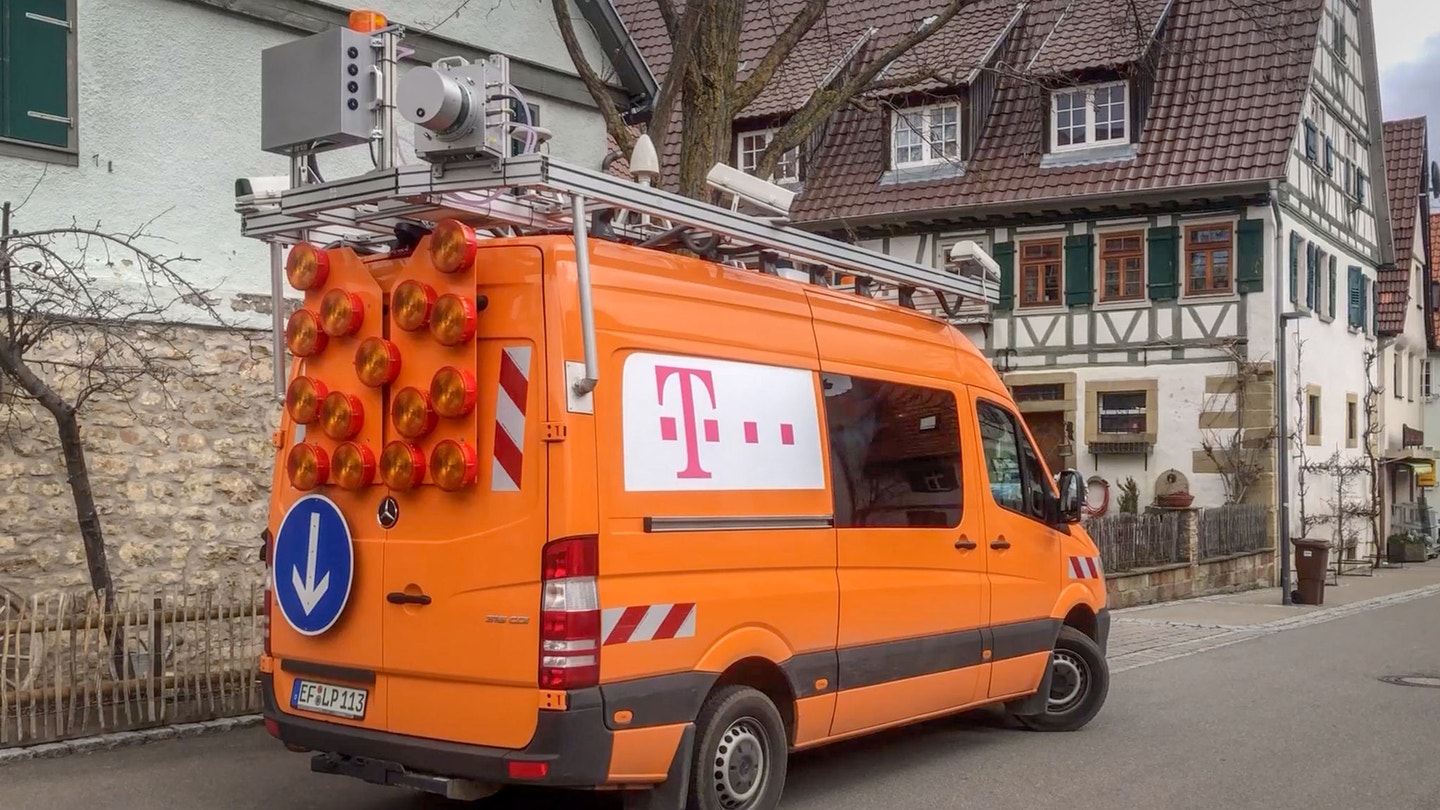
To plan new fiber routes more quickly, Telekom uses a specialized vehicle equipped with various sensors and laser-scanning technology to collect precise data about the selected area. This data is converted into 3D image data. The system learns to identify landscape features such as houses, grass, and trees based on their relevance to planning. This capability improves the network planning process. The system creates an accurate 3D model of the road and its surroundings. For example, the technology identifies whether a route runs over asphalt or costly paved surfaces. Could a green strip be used to lay the Optical fiber cables, making civil engineering work much easier? Where are the storm drains, cracks in the road, streetlights, curbs, and protective barriers? Where do trees extend into the road? All of this is factored into calculating possible route alignments. The system even distinguishes between deciduous and coniferous trees—information that matters for civil engineering. By comparison, without this solution, employees must review construction plans, walk the streets, take measurements, and often temporarily close roads or paths to plan the routes. Artificial intelligence takes on this routine work.
Lease agreements for mobile network sites
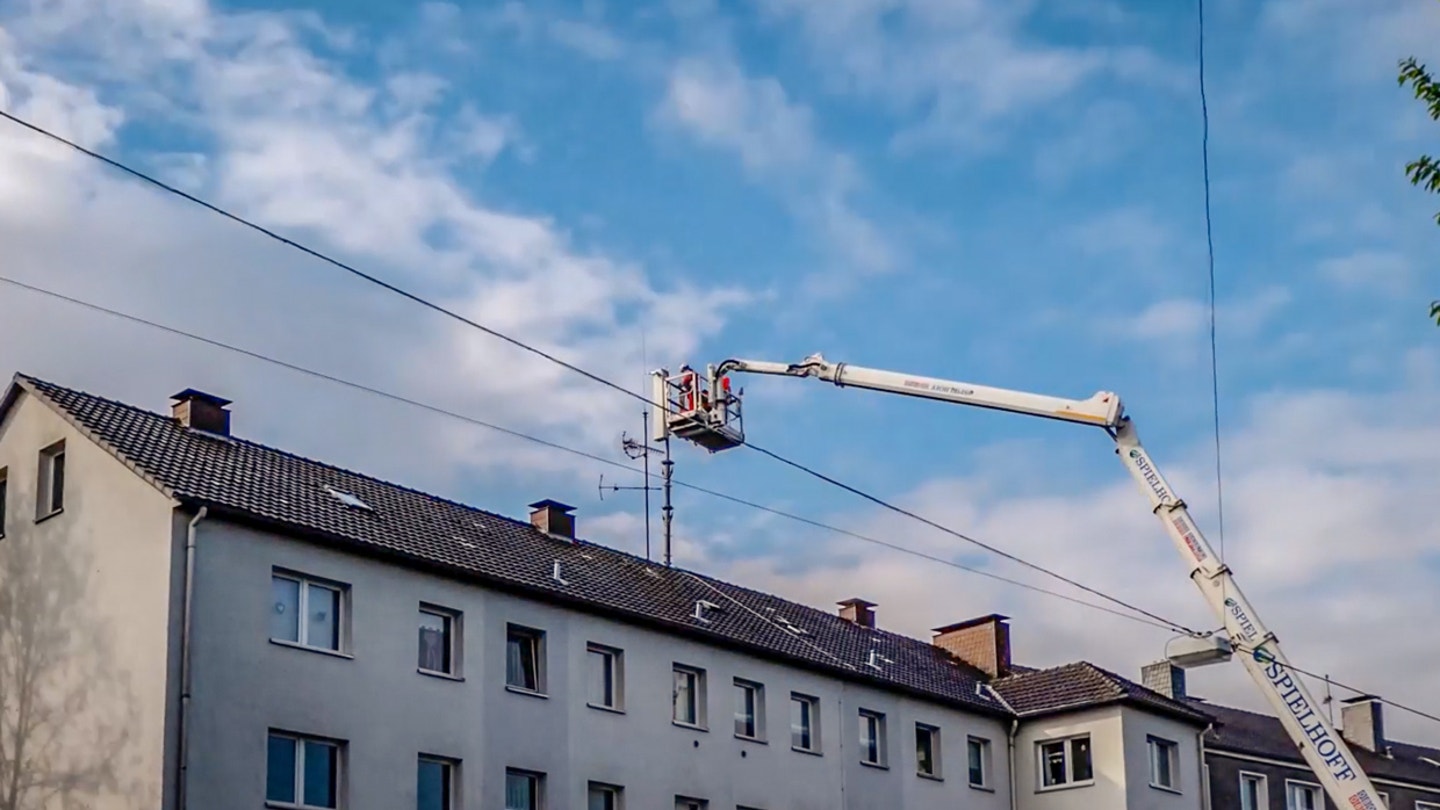
Deutsche Funkturm GmbH (DFMG) builds infrastructure for mobile network providers. It plans, builds, and markets around 32,000 wireless sites in Germany. For its lease agreements, it uses a robot-controlled platform from T-Systems and Blue Prism. Previously, these agreements with more than 1,000 property owners were created manually. DFMG employees often created them from scratch or updated them. They then entered the agreements into IT systems. Robots now prepare these lease agreements. There are no more manual handoffs between systems. Data quality remains consistent, and the effort required is lower. As a result, employees have more time to respond to individual inquiries from property owners. More info
Building management

An artificial intelligence solution helps Telekom optimize its buildings and achieve savings. This is no small task when thousands of employees work across numerous office buildings throughout Germany, and Telekom responds flexibly to their needs. The AI processes a wide range of data that characterizes the buildings, including their occupancy and access to bus and rail services. It uses this data to develop scenarios for making better use of buildings. People make the final decision, while AI significantly speeds up and simplifies the analysis.
